Event porta potty rentals
Portable restroom setups for festivals, sports fields, markets, private gatherings, and public-facing events where guest flow matters.
Get A QuoteMiramar portable restroom rentals
Miramar Porta Potty Rentals helps organizers, site teams, and property planners compare the right portable restroom, trailer, accessible unit, and handwashing options for their setting.
01 / Portable sanitation services
Compare the portable restroom services most often needed for gatherings, construction activity, long-term placements, public access, guest comfort, and hygiene support.
Portable restroom setups for festivals, sports fields, markets, private gatherings, and public-facing events where guest flow matters.
Get A QuoteDurable jobsite units for crews, renovation work, utility projects, and long-running builds that need practical access.
Get A QuoteFinished restroom options for weddings, corporate functions, and settings where presentation and guest comfort carry more weight.
Get A QuoteAccessible unit planning with a clear, stable approach route built into the conversation from the start.
Get A QuoteHandwashing stations placed where crews and guests naturally pause, eat, arrive, or transition between activities.
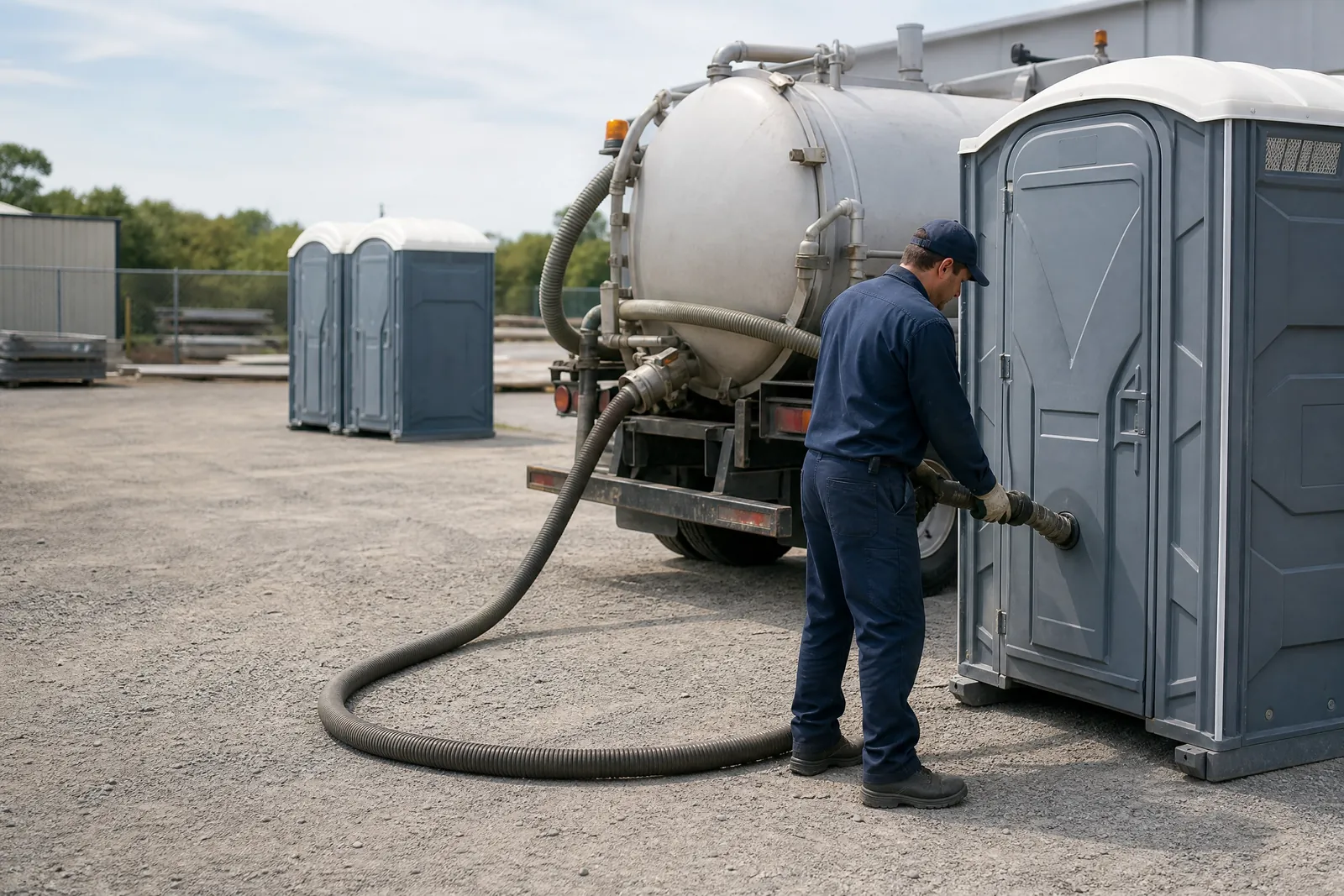
Get A QuoteOngoing unit placement and service planning for extended construction, property work, seasonal operations, and recurring needs.
Get A QuotePlacement and service conversations that consider efficient site flow, handwashing access, and a tidy event or work area.
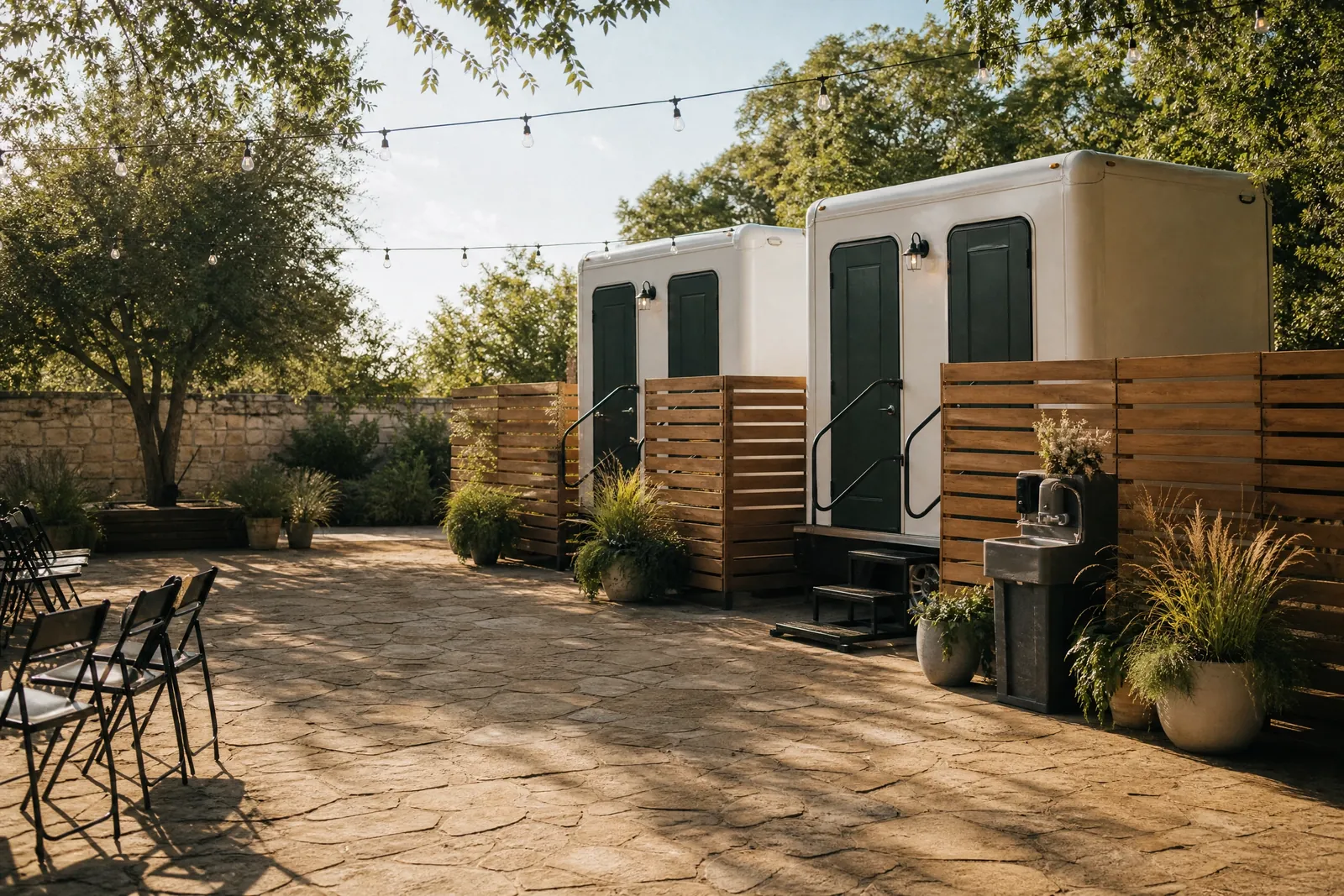
Get A QuotePrivate trailer options for larger events and occasions that call for a more finished restroom experience.
Get A Quote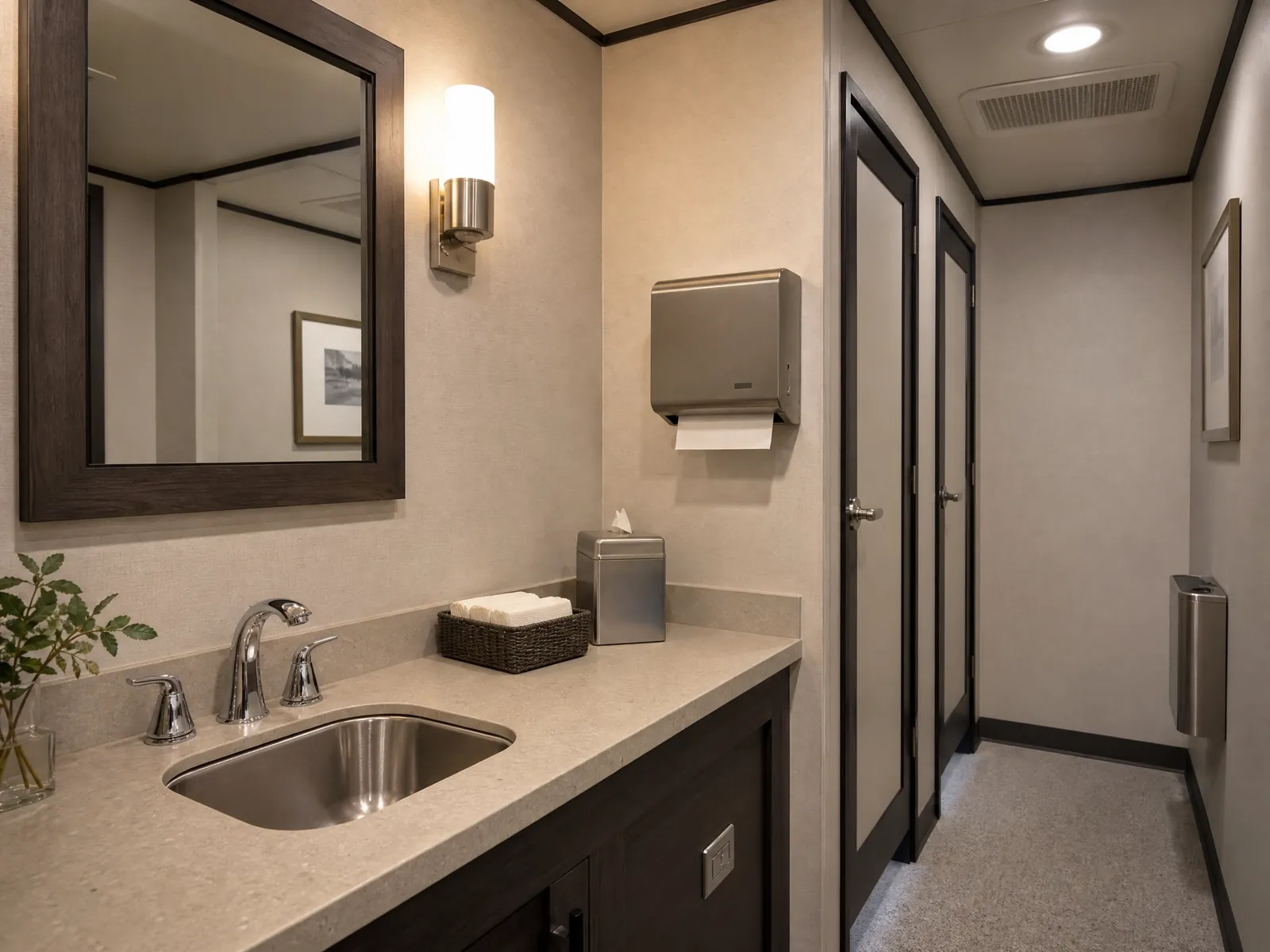
02 / Miramar rental context
In Miramar, FL, portable sanitation supports outdoor events, job sites, property work, seasonal gatherings, and the everyday logistics around public-facing spaces. A useful rental plan starts with the setting, then matches service options to the people and activity taking place there.
Palm Springs North A suburban pocket with lakes and curving streets, Palm Springs North hosts neighborhood gatherings, school activities, and weekend sports. Restroom planning here often means balancing park edges, parking lots, and shaded seating. If your layout spans fields and playgrounds, consider multiple small restroom clusters so families don’t have to cross busy areas to find facilities. Handwashing at concession spots helps keep lines moving between games.
Pembroke Pines Wide boulevards, community parks, and steady development make Pembroke Pines a place where both events and jobsites are part of the landscape. Restrooms placed along walking paths with lighting and clear approaches work well. For larger gatherings, divide units between activity hubs rather than one big bank to shorten lines. Construction areas benefit from stable, well-marked placements that won’t conflict with equipment access.
Miami Lakes Known for tree-lined streets and a mix of business parks and neighborhood venues, Miami Lakes rewards thoughtful restroom placement near plazas, greens, and storefront-adjacent events. Keep accessible routes smooth over brick or paver surfaces, and plan handwashing close to food tents or tasting stations. For office-area projects or renovations, restrooms set off main entries maintain professional curb appeal without sacrificing convenience.
Hialeah Gardens With a blend of residential blocks and commercial corridors, Hialeah Gardens sees activity at schools, small festivals, and ongoing improvement work. Choose restroom spots that stay out of traffic pinch points and remain easy to service. If events use shared lots, mark clear paths from parking to facilities. Hand sanitizer at entry and exit points can reduce congestion around food vendors and maintain a tidy guest flow.
03 / Common questions
Q: How many portable restrooms do I need for my event? A: Start with total guest count and event length, then add capacity for peak times like intermissions or meal breaks. A quick conversation can translate your schedule into a practical number.
Q: What ground conditions work best for placement? A: Firm, level surfaces like pavement, compacted soil, or mats are ideal. Soft grass, steep slopes, or loose gravel can make access difficult and should be avoided.
Q: Where should restrooms go so lines don’t form in one place? A: Create multiple small clusters along natural paths—near food, seating, and exits—rather than one large bank. This keeps lines shorter and more evenly distributed.
Q: Do I need ADA-accessible units? A: If your audience or crew includes people with mobility needs—or if regulations apply—include accessible units with clear, level routes and good visibility.
Q: How should I plan for handwashing? A: Place foot-operated stations near restrooms and food areas, and add sanitizer stands at entries or high-touch zones. Make refills part of your event or site checklist.
Q: Can restrooms be discreet without being hard to find? A: Yes. Use natural screening or decor, but maintain clear walkways, lighting, and sightlines so guests can locate facilities easily.
Q: What if my project phases change? A: Build in checkpoints to reassess placement. Moving units as access paths shift keeps restrooms convenient and reduces disruptions.
Q: How do I prepare a site before delivery? A: Clear the area, confirm level ground, check access width, and plan lighting. Share your layout so placement and routes are confirmed ahead of time.